1. Learn the situation
The team learns who owns the home, which agency handled the animals and whether there is a deadline from a landlord or the city.
Lincolnville, SC · Charleston County
How do you restore a house after too many animals lived in it? In Lincolnville, SC, the cleanup team bags waste, removes soaked materials, scrubs and deodorizes. Call (877) 812-4220 to talk it through.
If anyone is in danger, call 911 first. For a suicide crisis, call or text 988.
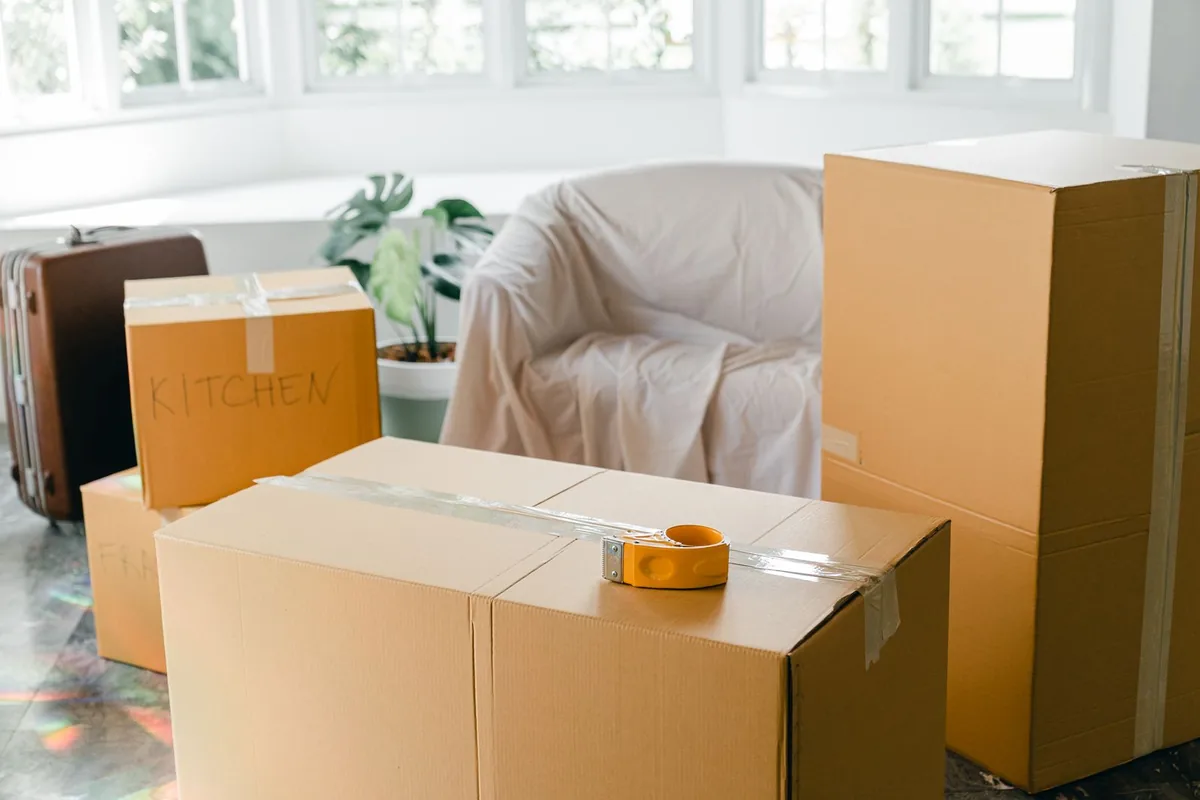
Extreme cleaning after animal hoarding is a multi-stage project: protective setup, waste and debris removal, material removal, disinfecting, odor treatment and a final check of each room.
Need animal hoarder cleanup in Lincolnville, SC? Call Lincolnville Biohazard Cleanup Help and get help with your home from the first walk-through to the final disinfecting. The team follows worker safety rules, including bloodborne pathogen standards where they apply, across Charleston County.
With roughly 36% of homes in Charleston County rented, animal waste cleanup is often driven by a lease, an inspection or a deposit dispute. The team can note conditions for the owner's records. Lincolnville sees about 53 inches of rain a year, and damp air and leaks make urine-soaked flooring and walls more prone to mold and odor.
What animal hoarding cleanup covers:
The team learns who owns the home, which agency handled the animals and whether there is a deadline from a landlord or the city.
Workers put on protective suits, gloves, boots and respiratory protection. Windows, fans and sealed areas keep clean rooms clean.
Heavy waste and debris go first, then ruined materials, then scrubbing and disinfecting. The work moves from the worst rooms outward.
Surfaces are scrubbed and disinfected, and odor is treated at its source. A final check confirms each room is ready for repairs or use.
Most animal hoarding cleanup jobs in Lincolnville, SC cost between $500 and $8,000, based on published cost guides.
A deadline from a landlord, a city office or a sale can change crew size and schedule. Mention it early so the team can plan around it.
| Type of job | Typical range |
|---|---|
| Animal waste disposal | $20 - $25 per 50 pound bag |
| Biohazard handling inside a hoarded home | $1,500 - $5,000 |
| Animal waste cleanup | $500 - $5,000 |
| Animal waste cleanup | $500 - $8,000 |
Published ranges only (Biohazard cleanup company pricing guide, Lifecycle Transitions, Fixr); every animal hoarding cleanup job in Lincolnville is priced after an on-site look. Price drivers include amount of animal waste, how long it built up, flooring and wall materials, odor treatment. Questions? Call (877) 812-4220.
Often yes, when the source is treated. Urine that soaked into subfloors and walls has to be removed or sealed, and covering the smell with fragrance does not last. The team can say what is likely once it has seen the home.
Often yes. A lease and local housing rules usually let a landlord require a safe, sanitary unit. A tenant rights group or an attorney can explain what applies. A cleanup team can often work toward a deadline.
Not without protection. Ammonia, dust and germs can affect the eyes, lungs and skin. Crews wear protective suits, gloves, boots and respiratory protection, and they set up air control to protect clean areas.
Yes where they can be. The crew sets aside papers, photos, medicine and valuables that can be cleaned, and the owner can name items that must be kept. Items too soiled to clean safely are discarded.
Not exactly. Extreme cleaning is a broad term for homes in very poor condition, while animal hoarding cleanup targets animal waste, odor and damage. The two can overlap, and a team can combine them in one plan.
Urine and feces release ammonia, which irritates the eyes and lungs. Waste can carry bacteria and parasites, and some diseases pass between animals and people. Fleas, ticks, rodents, dust and mold add to the problem. Anyone who feels unwell after time in the home should see a doctor.
Mention any landlord, city or sale deadline so the plan can fit it.
Call (877) 812-4220